November 25, 2026
An aging roof presents a practical question: can a focused repair restore dependable protection, or has deterioration reached a point where replacement deserves consideration? The answer depends on the condition of the roofing system and the extent of the problem. A familiar leak or a few damaged shingles can mean different things on different properties.
Homeowners considering roof replacements benefit from understanding how professionals evaluate that distinction. Age provides context, but the location of damage, the condition beneath the surface, and the roof's repair history also matter. A useful recommendation connects those findings with work that addresses the actual concern rather than relying on one visible symptom.
Put the Roof's Age in Context
Knowing approximately when the roof was installed gives an inspection a useful starting point. Older materials may show wear in several areas, while a roof with an isolated problem may retain substantial sound material. The calendar helps frame the discussion, but it does not describe every part of the roof's condition.
According to This Old House, asphalt shingle roofs generally provide about 15 to 30 years of service. That range makes age worth discussing when wear begins to appear. It also shows why a single anniversary cannot establish exactly when every asphalt roof should be replaced.
Recommendations about roof replacements should therefore connect age with inspection findings. A professional can explain whether the materials are showing broad deterioration or whether the concern is limited enough for repair. Previous work is relevant, too: repeated attention to the same area may warrant a closer look at why the problem returns. Knowing the roof's history helps place a new symptom within a longer pattern instead of treating it as an entirely separate event.
Recognize When Targeted Repairs Make Sense
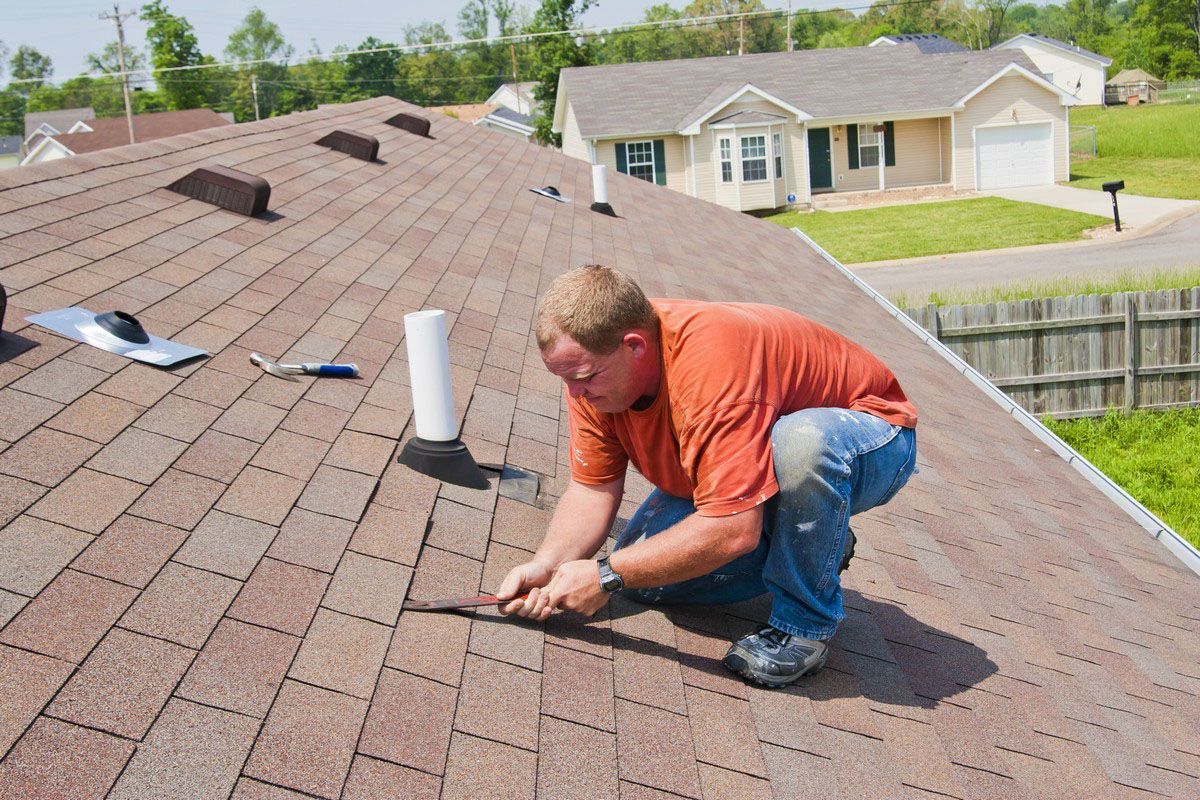
A focused repair may be appropriate when damage is confined to an identifiable area and the surrounding roofing remains in serviceable condition. A few damaged asphalt shingles or a localized leak can present a different situation from deterioration spread across multiple sections of the roof. For example, damage concentrated in one section after a storm may require a different response from similar-looking damage recurring across an older roof.
The important question is whether the proposed repair addresses the source of the problem. An interior water stain does not identify the roof component responsible for it. A professional inspection can evaluate the affected area and explain how the repair relates to the route water is taking into the building.
A contractor who handles repairs and roof replacements can discuss both approaches in relation to the findings. The explanation should identify what will be repaired and why retaining the surrounding roof is reasonable. This gives the homeowner a clearer basis for understanding the recommendation.
Targeted work is most useful when it resolves a defined concern within an otherwise functioning system. That might involve replacing damaged shingles, addressing a flashing problem, or repairing a limited area of a flat roof. The repair should have a specific purpose that can be explained before work begins.
Look for a Pattern of Widespread Deterioration
Replacement becomes a more relevant discussion when the concern extends beyond an isolated defect. Shingles that are curling or cracking across several areas, recurring leaks, or widespread material deterioration can indicate that a series of small repairs may not address the roof's overall condition.
These findings need to be considered together. Granules collecting in gutters, for example, deserve evaluation alongside the appearance and performance of the shingles. A professional should explain what the combined observations suggest about the remaining roof, rather than treating one sign as an automatic replacement decision.
Roof replacements can address a broader decline by renewing the roofing system instead of concentrating only on the latest problem area. This may be appropriate when several sections need attention or when repeated repairs have not resolved ongoing water intrusion.
Sagging or visible changes in the roof's shape also call for prompt professional assessment. These concerns raise questions about the condition of the supporting deck and the work required beneath the covering. Understanding that condition matters before deciding whether the appropriate response is a limited repair or a more extensive project.
Consider What Is Beneath the Surface
The visible roof covering is one part of the system protecting a building. The deck, underlayment, flashing, and ventilation also affect how the roof performs. A decision based only on the appearance of the outer materials can leave important questions unanswered.
During evaluation, a contractor can discuss signs that warrant attention to those underlying elements. A leak near a chimney or skylight, for instance, may involve flashing rather than the entire roof covering. In another situation, deterioration beneath older materials may make the required work more extensive than the surface appearance suggests.
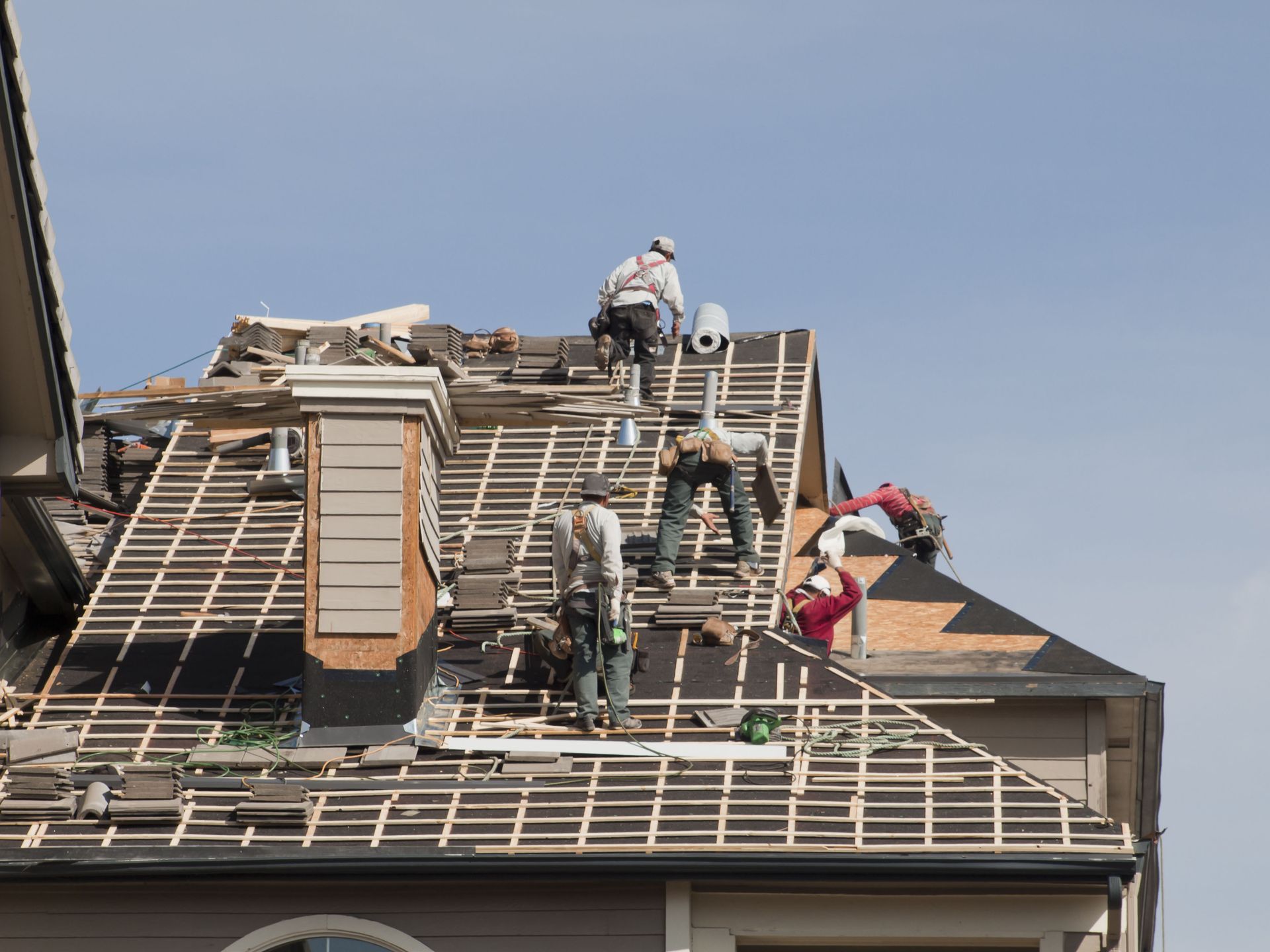
The scope of roof replacements can include removing old materials, inspecting and repairing the deck, installing underlayment, and addressing flashing and ventilation. A tear-off provides an opportunity to examine areas that were previously concealed. The findings help determine what preparation the new system needs.
That process should be explained in relation to the individual property. Homeowners can ask which concerns have already been identified and what will be evaluated as the work progresses. A clear understanding of the layers involved makes the distinction between repair and replacement more meaningful.
Account for the Roofing Material
An asphalt shingle lifespan estimate should not be applied automatically to every roofing type. Metal, slate, and flat roofing systems have their own materials and repair considerations. An assessment needs to relate to the roof that is actually on the property.
Metal roofing may need attention to loose components, corrosion, or flashing. A slate roof may have broken or missing tiles that require careful replacement. On a flat roof, ponding water or membrane deterioration can influence the repair discussion. These concerns involve different methods and do not all point to the same scope of work.
When discussing roof replacements, the contractor should explain why the condition of the existing material supports that recommendation. If repair is appropriate, the explanation should be equally specific about what can remain and what needs attention. Material knowledge helps connect the choice with the roof's actual performance, preserving suitable components where reasonable and identifying broader work where needed.
Compare the Proposed Work Clearly
The most useful comparison describes what each approach would accomplish. A repair proposal should identify the affected area and the issue being resolved. A replacement proposal should explain the system being installed and the preparation needed for it to perform properly.
Plans for roof replacements may address tear-off, deck work, underlayment, ventilation, and flashing details. Property protection, disposal of old materials, and final cleanup also belong in the project discussion. These details help the homeowner understand how the work will proceed.
Questions about materials and manufacturer warranties can be considered alongside the installation scope. A warranty should be explained in relation to the selected system and its applicable terms. The goal is a recommendation the homeowner can understand, supported by findings and a clear description of the work rather than an unexplained preference for one approach.
A sound roofing decision considers what the current system can still provide and what is needed to restore dependable protection. Understanding why a proposed scope fits the roof makes the next step more informed. We help homeowners understand repair and replacement options at On Top Roofing P.M. LLC by explaining the findings behind our recommendations. Talk with us about your roof's condition and the work it may need.